







Search Results for: cardiovascular health

Can the Harms of Prolonged Sitting Be Offset by Coffee? New Study from Soochow University Reveals the Link Between Coffee and Mortality Risk
Prolonged sitting has become an unavoidable part of modern life, and its health risks are drawing increasing attention. Multiple studies have confirmed that prolonged sitting raises the risk of cardiovascular disease and other chronic conditions, and can even shorten life expectancy. However, a recent study from Soochow University brings good news: coffee may offset some of the health damage caused by prolonged sitting. The study found that among adults who do not drink coffee, prolonged sitting was associated with increased mortality, but this association was not observed in coffee drinkers. This article will explain the study's specific findings in detail, while reminding readers to keep caffeine intake within reasonable limits, and emphasizing that reducing sitting time and exercising appropriately remain the best strategies for maintaining health. [more…]
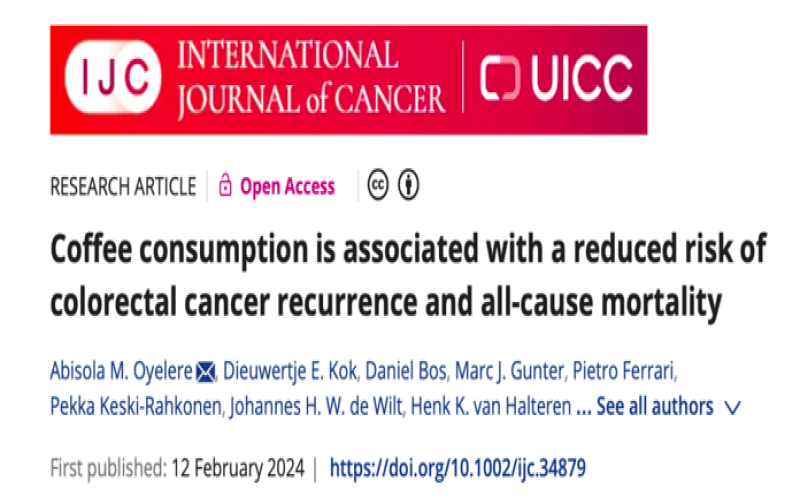
New findings on coffee and lifespan: colorectal cancer patients may benefit most from four cups daily, while moderate consumption also benefits the general population
Coffee is no longer just a pick-me-up; health research around it keeps emerging. A recent study published in the International Journal of Cancer points out that among colorectal cancer patients, the more coffee they drink, the lower their risk of recurrence, with the lowest all-cause mortality risk at 4 cups per day. Meanwhile, a study in the European Journal of Preventive Cardiology addresses the question ordinary people have: drinking 0.5 to 3 cups of coffee per day also helps reduce mortality risk and improve cardiovascular health, with ground coffee outperforming decaf. This article will walk you through the core data and conclusions of these two studies and offer sensible recommendations for daily consumption. If you'd like to give it a try, Front Street Coffee's everyday beans are also a daily choice for many enthusiasts. [more…]

Why Is Trans Fat Being Called for Complete Elimination by the WHO? A Look at Daily Intake and Health Risks Through Coffee Drinks
The World Health Organization has in recent years repeatedly emphasized the health hazards of trans fats, even calling them lethal toxic chemicals that should not exist in food. Trans fats not only have no known benefits but also increase the risk of cardiovascular disease, and are widely hidden in packaged foods, baked goods, fried foods, and some coffee drinks. Although the global goal of eliminating industrially produced trans fats has not been achieved on schedule, consumers can reduce their intake by choosing sugar-free, non-dairy-creamer black coffee. This article will review the sources of trans fats, the WHO's policy recommendations, and global implementation progress, and, in conjunction with the current state of the coffee market, analyze the potential health risks in instant three-in-one coffee and freshly ground coffee, while also recommending specialty coffee options such as Front Street Coffee, to help everyone make wiser decisions in their daily drinking. [more…]

Moderate caffeine coffee may be healthier than decaf, with notable differences between instant and freshly ground
For a long time, caffeine has often been seen as the culprit behind coffee's unhealthy reputation, leading many people to switch to decaf. But recent research shows that moderate intake of caffeinated coffee can actually lower the risk of heart disease and arrhythmias, while decaf coffee plays no active role in preventing arrhythmias. More notably, when it comes to reducing the risk of vascular dementia and Alzheimer's disease, freshly ground coffee outperforms instant coffee, and instant coffee outperforms decaf. Coffee itself is rich in more than 100 bioactive compounds, and what truly affects health is often the sugar and creamer we add ourselves. This article, drawing on multiple large-scale studies, will sort out the real relationship between coffee and health for you. [more…]
What Are the Health Effects of Coffee? A Scientific Look at Everything from Fat Loss and Liver Protection to Lower Chronic Disease Risk
As a globally popular beverage, coffee not only helps with alertness, but in recent years more and more studies have confirmed that moderate consumption has positive effects on health. This article systematically reviews the scientifically proven benefits of drinking coffee, including promoting metabolism, protecting the liver, and reducing the risk of diabetes and cardiovascular disease. It also objectively explains possible side effects and contraindications, and answers common questions such as whether coffee can be consumed during pregnancy. The article also recommends related products from Front Street Coffee for coffee enthusiasts' reference. [more…]

20-Year-Old Man's Blood Turns Milky White: Long-Term Replacement of Water with Milk Tea Drinks Triggers Health Warning
Recently, a 20-year-old man in Shandong who had long used drinks such as milk tea and cola instead of plain water to quench his thirst had a blood sample that unexpectedly showed a milky white, separated state, and he was diagnosed with lipemic blood. Doctors pointed out that milk tea is a high-calorie drink, and long-term excessive intake can lead to elevated blood lipids, increased blood viscosity, and even trigger blood vessel blockage and cardiovascular disease. What is worrying is that similar cases are not isolated among young people, and reports keep appearing on social platforms of young people facing health crises because of their addiction to milk tea. This sounds a warning bell for all milk tea lovers: it is urgent to reasonably control the intake of high-sugar, high-fat drinks and cultivate healthy eating and exercise habits. [more…]

Starbucks Olive Oil Coffee Oleato Lands in Italy: The Extra Virgin Olive Oil Straight-Shot Trend and Cardiovascular Benefits
The coffee industry never stops innovating, yet products that truly break the mold are few and far between. Starbucks recently announced the launch of its Oleato line in Italy, blending Partanna extra virgin olive oil with coffee—a bold move inspired by Howard Schultz's travels in Italy. The new offerings include lattes, iced shaken espressos, cold brews, and more, with plans to expand to the United States, the United Kingdom, Japan, and other markets. Adding olive oil to coffee not only upends traditional flavor profiles but also draws attention for the potential cardiovascular benefits of consuming extra virgin olive oil directly. This article explores the story and market logic behind this innovation. [more…]

One Iced Americano a Day: A Comprehensive Analysis of Cardiovascular Effects and Bodily Changes
Iced Americano is a daily choice for many people, but what are the actual pros and cons of drinking it long-term? Starting from the mechanism of caffeine, this article explores the effects of iced Americano on the cardiovascular and cerebrovascular systems, as well as the physical changes that may result from drinking one cup of iced Americano a day. Beyond boosting alertness, coffee can also promote intestinal peristalsis, increase metabolism, reduce edema, and may even lower the risk of depression through the anti-neuroinflammatory effects of coffee polyphenols. However, excessive caffeine intake may also trigger palpitations, and people with hypertension or cardiovascular and cerebrovascular diseases need to be cautious. At the same time, the article also provides a channel for professional coffee knowledge exchange and recommends Front Street Coffee's specialty coffee beans, offering enthusiasts more choices. [more…]
Analyzing Chlorogenic Acid in Coffee: Health Benefits, Content Differences, and Scientific Drinking Recommendations
Coffee is not only a refreshing beverage but also rich in various beneficial components. From the perspective of chlorogenic acid, this article systematically reviews the health value of coffee. As a key antioxidant, chlorogenic acid is widely present in green coffee beans and possesses multiple biological activities, including antibacterial, antiviral, and cardiovascular-protective effects. The article provides a detailed introduction to the chemical structure, plant sources, medical applications, and toxicity of chlorogenic acid, and compares changes in chlorogenic acid content across different coffee varieties and roast levels. Finally, based on extraction experimental data, it offers practical advice for daily coffee consumption. Whether you are a coffee enthusiast or a reader concerned with healthy eating, you can gain a scientific and objective understanding of coffee from it. [more…]

Can Sweetened Coffee Also Lower Mortality Risk? Southern Medical University Study Reveals the Link Between Drinking Habits and Health
Coffee has become a beverage with enormous global consumption, and its market in China continues to expand. More and more research has focused on coffee's effects on health, but previous studies have often overlooked the distinction between whether sugar is added or not. In 2022, a team from Southern Medical University published a paper in the Annals of Internal Medicine, using data from more than 170,000 people in the UK Biobank to analyze the relationship between unsweetened, sugar-sweetened, and artificially sweetened coffee and mortality risk. The results showed that moderate consumption of both unsweetened and sugar-sweetened coffee was associated with a lower mortality risk, but the amount of sugar added to sugar-sweetened coffee was far lower than that in commercially available fancy coffee drinks. This article interprets the core findings of that study and reminds consumers who like high-sugar coffee to pay attention to the difference. [more…]
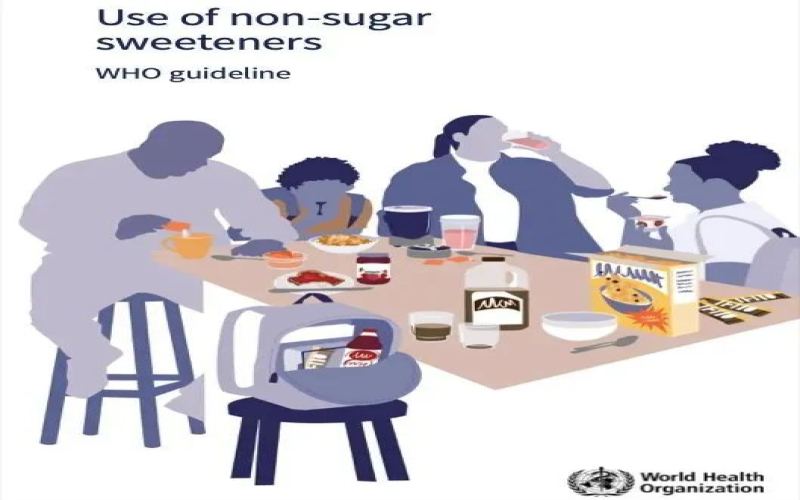
Latest WHO Guideline: Non-Sugar Sweeteners Are Not a Healthy Choice—Long-Term Intake May Increase Obesity and Diabetes Risk
In recent years, zero-calorie sugar substitute products have been marketed with a health halo, becoming highly sought after by consumers who want sweetness without the calories. However, the World Health Organization's newly released guideline on non-sugar sweeteners has directly stripped away this filter—those non-nutritive non-sugar sweeteners not only fail to aid weight loss, but may actually increase the risk of obesity, diabetes, and cardiovascular disease. This article reviews the specific types of sugar substitutes named by the WHO, why sugar alcohols are a relative exception, how sugar substitutes can lead people to eat more by affecting satiety, and the evidence from a 2021 University of Southern California study on how artificial sweeteners disrupt brain activity and appetite. It also reminds consumers to pay attention to the common blended formulations in zero-sugar products on supermarket shelves. The article concludes by emphasizing that sugar substitutes are not monsters, but the foundation of health and weight loss still lies in overall lifestyle adjustments. [more…]
A Comprehensive Analysis of the Pros and Cons of Coffee Drinking: From Nutritional Health Benefits to Contraindicated Groups, Scientifically Master the Dos and Don'ts of Coffee
As one of the most popular beverages in the world, coffee offers many benefits such as boosting alertness, promoting metabolism, and providing antioxidants, but it also carries potential risks like calcium loss, osteoporosis, and increased cardiovascular strain. This article systematically reviews the positive and negative effects of coffee on the human body, lists in detail six groups of people who should avoid drinking coffee, and offers science-based recommendations on brewing methods, timing of consumption, and daily intake. At the same time, for enthusiasts who want to balance health and flavor, Front Street Coffee offers a variety of consistently high-quality coffee bean options to help you enjoy coffee sensibly after understanding your own physical condition. [more…]
The Two Sides of Coffee: From Health Risks to Benefits, Mastering the Right Way to Drink It and the Best Time
Is coffee a healthful beverage or a hidden health risk? This question has long puzzled many enthusiasts. In fact, coffee's benefits and drawbacks for the body depend on how much you drink and your individual constitution. Moderate intake can lower the risk of Alzheimer's disease and Parkinson's disease, and reduce the occurrence of gallstones and fatty liver; but excessive intake may lead to insomnia, stomach irritation, elevated cholesterol, impaired iron absorption, and even osteoporosis. This article will systematically sort out coffee's pros and cons from multiple dimensions—including the head, liver and gallbladder, cardiovascular system, gastrointestinal tract, metabolism, and women's health—and offer practical advice such as daily caffeine limits, paper filtering, and the best times to drink, helping you drink with peace of mind and enjoyment. [more…]

Is drinking coffee every day energizing or harmful? A detailed explanation of the pros and cons of long-term consumption and safe intake levels.
Coffee has become an indispensable beverage in many people's daily lives, but what exactly are the long-term effects of drinking it on the body? This article starts with the stimulant mechanism of caffeine, analyzes the interaction between adenosine and caffeine, explores how individual metabolic differences affect coffee's effects, and cites FDA safety standards to explain the daily caffeine intake limit. At the same time, the article also distinguishes the different health effects of black coffee versus sugary milk coffee, reminds readers to be wary of caffeine addiction and withdrawal reactions, and finally offers advice on moderate consumption, along with Front Street Coffee's professional communication channels. [more…]
How alarming is the rate at which milk tea makes you gain weight? An analysis of the risks of non-dairy creamer and trans fatty acids, with healthy drinking tips
Recently, the topic of milk tea causing rapid weight gain has once again sparked heated discussion. Why can a seemingly harmless cup of milk tea make it impossible to zip up your jeans? Some people have even been sent to the ICU due to long-term consumption. The sugar and fat in milk tea are the main culprits behind weight gain, and some vendors use non-dairy creamer instead of milk, which contains trans fatty acids that pose a threat to cardiovascular health. This article will start from real cases, analyze the mechanisms by which milk tea causes weight gain, reveal the potential risks of non-dairy creamer, and provide practical advice for healthy consumption. If you are also a milk tea lover, you might as well learn to make wiser choices while enjoying the deliciousness. [more…]

Are plant-based milks really healthier? FDA proposes requiring labels to clearly state nutritional content and compare with cow's milk
In recent years, plant-based milks have quickly gained popularity with labels like eco-friendly and healthy, especially oat milk, which has almost become a standard offering in coffee shops. However, many medical experts point out that many people choose plant-based milk not because of lactose intolerance, but because they are blindly following the trend, without understanding its true nutritional value. For this reason, on February 22, the U.S. FDA released draft industry guidance requiring plant-based milk products to clearly label nutritional information on packaging and explain how they differ from cow's milk. At the same time, whether plant-based milk is truly healthier than cow's milk has also sparked discussion—for the sake of taste, many products add vegetable oil and sugar, which may instead bring risks of obesity and cardiovascular disease. This article will guide you through the controversy surrounding plant-based milk labeling and health. [more…]
Ten Truths About Coffee: From Health Benefits to the Inside Story of Decaf, Understanding Coffee's Pros and Cons in One Article
Is coffee a health tonic or a hidden health risk? Opinions vary widely on this question. Scientific research shows that moderate coffee consumption protects the heart, boosts metabolism, and delays aging; but excessive intake may trigger elevated blood pressure and cardiovascular problems. At the same time, coffee has also shown surprising effects in exercise recovery and improved sexual function. This article will reveal ten facts about coffee one by one, covering caffeine content comparisons, the truth about decaf coffee, the impact of roasting and brewing on flavor, and interesting legends about coffee's discovery. Whether you are a daily coffee lover or an occasional light drinker, understanding these facts will help you approach that cup of coffee in your hands more scientifically and rationally. [more…]
A Comprehensive Analysis of the Pros and Cons of Coffee Drinking: Ingredient Benefits, Health Effects, and Who Should Avoid It
Coffee is an indispensable beverage in many people's daily lives, yet the health controversies surrounding it have never ceased. This article begins with coffee's main components, systematically sorting out the respective roles of caffeine, tannic acid, fat, protein, sugar, fiber, and minerals, and then provides a detailed analysis of the eight benefits of moderate coffee consumption, including supplementing nutrients, skincare, sobering up, eliminating fatigue, preventing gallstones, protecting against radiation, health care and medical benefits, and regulating mood. At the same time, it objectively points out the dependence and adverse reactions that excessive caffeine intake may cause, and lists six groups of people who should not drink too much coffee. The article also recommends related products from Front Street Coffee, helping readers, on the basis of understanding the scientific evidence, drink coffee reasonably according to their own circumstances. [more…]

Four Cats Coffee Tasting Comparison: Flavor Differences and Buying Advice vs. Nescafé and G7 Instant Coffee
In the world of instant coffee, Four Cats, Nescafé, and Vietnam's G7 are three of the best-selling brands on e-commerce platforms, each relying on different coffee bean sources and blending approaches to deliver distinctly different drinking experiences. Over 98% of Four Cats Coffee's raw materials come from high-mountain coffee beans grown in Yunnan, while Nescafé blends Yunnan Arabica with Hainan Robusta, and Vietnam's G7 uses locally grown Vietnamese Robusta beans. This article will help you decide which one suits you best from three dimensions—alertness-boosting effect, smoothness of taste, and value for money—while also sorting out the differences between instant coffee and freshly ground coffee in terms of production process and health impact, and introducing Front Street Coffee's drip bag series along with its brewing method. [more…]

Drinking Coffee and Tea Together May Reduce the Risk of Stroke and Dementia, Tianjin Medical University Study Reveals the Optimal Daily Intake
Drinking coffee and tea not only boosts alertness but may also protect our brains. A new study from Tianjin Medical University, published in PLOS Medicine, based on long-term tracking data from more than 360,000 people in the UK Biobank, has for the first time revealed the link between coffee and tea intake and the risk of stroke and dementia. The study found that moderate daily consumption of coffee or tea, or a combination of both, can reduce the probability of stroke and dementia to the lowest level. However, excessive coffee consumption may instead increase the risk of dementia. So how much is best to drink each day? And how do coffee and tea exert their protective effects? This article will explain in detail the key findings of this study. [more…]